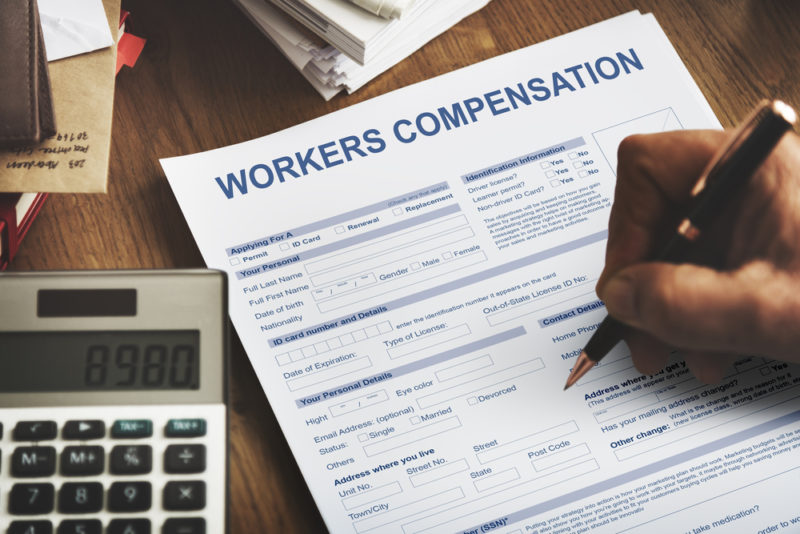
An SC workers’ comp settlement often takes the form of what South Carolina calls a “clincher agreement,” a one-time lump sum payment that permanently closes your workers’ compensation claim. This type of settlement trades ongoing benefits for immediate, certain payment.
The decision to accept a clincher agreement ranks among the most significant choices an injured worker faces. Once approved, the agreement ends your right to future medical benefits and wage replacement from the workers’ compensation system for that injury. Because of this finality, it is critical to review the terms carefully with a worker’s compensation lawyer who can help you understand exactly what you are agreeing to before signing anything.
Key Takeaways for SC Workers’ Comp Settlements
- A clincher agreement is a lump sum settlement that permanently closes your workers’ compensation claim, including future medical benefits in most standard cases.
- The South Carolina Workers’ Compensation Commission must approve all clincher agreements before they become final.
- Once approved, a clincher agreement generally cannot be reopened or modified, even if your condition worsens later, though you may petition to reopen within two years if the settlement resulted from fraud, significant mistake, or misrepresentation.
- Clincher settlements may make sense when your medical condition has stabilized and future treatment needs are predictable.
- Workers who settle before reaching maximum medical improvement (MMI) give up future medical benefits without knowing their full extent, which carries significant risk.
For a free legal consultation, call (843) 380-8350
What Makes a Clincher Agreement Different
South Carolina uses the term “clincher” to describe lump sum settlements that fully and finally resolve workers’ compensation claims. The name reflects the agreement’s purpose: to clinch, or firmly settle, all outstanding issues between the injured worker and the insurance carrier.

The Finality Factor
Unlike other types of workers’ compensation resolutions, a clincher agreement typically closes everything. Medical benefits end. Wage replacement stops. The insurance carrier’s obligations cease completely once payment is made. This finality distinguishes clinchers from other settlement structures that might leave certain benefits open.
The permanence extends to future developments in your condition. If your injury worsens after you sign a clincher, you generally have no recourse through the workers’ compensation system. The agreement bars future claims related to that injury, regardless of what happens medically.
Commission Approval Requirements
Every clincher agreement in South Carolina must receive approval from the South Carolina Workers’ Compensation Commission before it becomes binding. A commissioner reviews the agreement to confirm that the injured worker understands the terms and that the settlement reasonably addresses the claim.
This approval process provides some protection against unfair settlements. However, the Commission’s review focuses on whether the worker understands what they’re signing, not whether the amount is optimal. The responsibility for negotiating fair terms remains with the injured worker and their representative.
How Clincher Settlements Work in South Carolina
The path to a clincher agreement involves negotiation, documentation, and formal approval. Each step affects the final outcome and the protections you retain or surrender.
The Negotiation Process
Settlement discussions typically begin after your medical condition stabilizes or when both sides see advantages in resolving the claim. The insurance carrier may initiate settlement talks, or you may request them through your attorney. Either way, negotiation determines the final amount.
Factors that influence clincher settlement amounts include the following:
- The severity and permanence of your injury
- Your impairment rating from the treating physician
- Past medical expenses and estimated future treatment costs
- Lost wages and diminished earning capacity
- The strength of any disputed issues in your claim
Each factor contributes to the overall settlement value. Workers who understand these elements negotiate from a stronger position than those who accept the first worker’s compensation offer without analysis.
Documentation and Approval
Once both sides agree on terms, the settlement must be documented in writing and submitted to the Commission for approval. The paperwork includes the settlement amount, a description of the injury, and acknowledgment that you understand the agreement’s finality.
A hearing before a commissioner typically follows submission. The commissioner asks questions to confirm that you understand you’re giving up future benefits. If satisfied that you’re making an informed decision, the commissioner approves the agreement, and it becomes final and binding.
Click to contact our personal injury lawyers today
Advantages of Accepting an SC Workers’ Comp Settlement
Clincher agreements offer real benefits in the right circumstances. For some injured workers, the certainty and closure outweigh the risks of surrendering future benefits.
Immediate Financial Certainty
A lump sum payment provides immediate access to funds that you control. Rather than waiting for weekly disability checks or fighting for approval of each medical treatment, you receive money that you may use according to your own priorities.
This certainty helps some workers move forward with their lives. Debt may be paid. A career change may become possible. The psychological burden of an open claim lifts when the case finally closes.
Freedom From the Insurance Process
Workers’ compensation claims require ongoing interaction with insurance adjusters, authorization requests for medical treatment, and potential disputes about every aspect of your care. A clincher agreement ends this relationship entirely.
For workers frustrated by delays, denials, or the general difficulty of navigating the system, this freedom carries significant value. No more fighting for medical authorizations. No more uncertainty about whether benefits might be cut off.
Closure and Moving On
Some injured workers reach a point where the claim itself becomes a burden. The ongoing connection to the injury, the employer, and the insurance company prevents them from psychologically moving past the accident. A clincher agreement provides definitive closure.
This emotional benefit matters alongside the financial considerations. Being able to close a painful chapter and focus on the future holds real value for many people.
Complete a Free Case Evaluation form now
Risks and Disadvantages of Clincher Agreements
The benefits of settlement come with significant trade-offs. Workers who don’t fully understand these risks may regret their decision years later when circumstances change.
Loss of Future Medical Benefits
The most significant risk involves medical care. Standard clincher agreements close future medical benefits completely, though some “open medical” clinchers specifically preserve future treatment coverage. If your condition requires surgery five years from now and you signed a standard clincher, workers’ compensation won’t pay for it. If you need ongoing medication or therapy, those costs become your responsibility.
This risk is particularly serious for injuries that may worsen over time. Back injuries, joint damage, and conditions requiring potential future surgery all carry uncertainty about long-term treatment needs. A settlement that seems adequate today may prove insufficient when those needs materialize.
Difficulty Predicting Future Needs
No one knows exactly what medical care they’ll need years from now. Doctors offer estimates, but medicine involves uncertainty. A condition that seems stable today may deteriorate. A treatment that works now may become ineffective.
Workers who settle before reaching maximum medical improvement face heightened risk. MMI represents the point at which your condition has stabilized as much as it’s expected to. Settling before reaching MMI means settling before the full picture of your injury becomes clear.
Limited Grounds for Reopening
South Carolina law provides very limited grounds for reopening or modifying an approved clincher agreement. Under S.C. Code Regs. 67-1301, you may petition to reopen within two years of approval if the settlement resulted from fraud, significant mistake, or misrepresentation. However, a change in your medical condition alone does not justify reopening.
This limited exception distinguishes clincher agreements from other workers’ comp resolutions. Some claim closures preserve certain rights or allow modification under specific circumstances. A standard clincher typically does not allow modification simply because your condition worsened.
When a Clincher Agreement Might Make Sense
Not every situation calls for caution about settlements. Some circumstances actually favor accepting a clincher over continuing with open benefits.

Stable Medical Conditions
Workers whose injuries have fully healed or stabilized face less risk from closing future medical benefits. If your doctors agree that no further treatment is likely needed, the value of keeping medical benefits open diminishes significantly.
Similarly, workers with injuries that require only predictable, manageable ongoing care may reasonably factor those costs into a settlement calculation. Known, limited future needs are easier to account for than uncertain, potentially extensive ones.
Strong Financial Need
Immediate financial pressures sometimes make a lump sum payment more valuable than the theoretical future benefits you’d surrender. Facing foreclosure, bankruptcy, or other financial crises may shift the calculation toward accepting a settlement.
This doesn’t mean workers in financial distress should accept inadequate settlements. It means that the timing value of money, receiving funds now versus later, legitimately factors into the decision.
Disputed Claims With Uncertain Outcomes
If your claim faces significant legal challenges, a guaranteed settlement may be preferable to an uncertain outcome at hearing. Claims where the insurance carrier disputes causation, the extent of injury, or other key issues carry the risk of receiving nothing.
A settlement eliminates that risk by providing certainty. Even if the settlement amount is less than you might win at hearing, the guarantee of payment has value when the alternative involves a real possibility of losing.
Questions to Ask Before Accepting Any Settlement
The decision to sign a clincher agreement deserves careful thought. Several questions help clarify whether a settlement makes sense in your situation.
Have You Reached Maximum Medical Improvement?
Lawyers typically advise caution about settling before reaching MMI. Until your condition stabilizes, neither you nor anyone else knows the full extent of your injury or your future treatment needs.
Settling before MMI means settling without complete information. The insurance carrier may know this and push for early settlement precisely because it benefits them. Taking time to let your medical situation clarify protects your interests.
What Are Your Realistic Future Medical Needs?
Talk with your doctors about what treatment you may need going forward. Ask specifically about potential surgeries, ongoing medication, physical therapy, and other care. Get these estimates in writing if possible.
Compare these projected costs against the settlement amount. If the settlement barely covers expected future treatment, it leaves nothing for other compensation. The numbers must work before acceptance makes sense.
Do You Understand What You’re Giving Up?
Before signing, make sure you fully understand every benefit you’re surrendering. Ask your Charleston workers’ compensation lawyer to explain in plain terms what happens to your medical coverage, your wage benefits, and your right to reopen the claim. If anything is unclear, keep asking until it isn’t.
The Commission approval hearing provides another opportunity to ask questions. Don’t let embarrassment or impatience prevent you from getting the answers you need.
FAQ for SC Workers’ Comp Settlements
Does Medicare affect my clincher settlement?
If you receive Medicare or expect to qualify soon, special rules may apply. Federal law requires consideration of Medicare’s interests in certain settlements through Medicare Set-Aside arrangements. Failure to properly address Medicare may create future problems with coverage.
What happens to attorney fees in a clincher settlement?
Attorney fees in South Carolina workers’ compensation cases are subject to Commission approval and typically come from the settlement amount. The Commission reviews and approves attorney fees for reasonableness, typically 15-25% depending on case complexity and the work involved.
May I negotiate the settlement amount that the insurance company offers?
Yes. Initial settlement offers are starting points for negotiation, not final numbers. Insurance carriers expect negotiation and often make initial offers below what they’re willing to pay. Rejecting an inadequate offer and countering with a supported number is standard practice.
What if I have a third-party claim in addition to workers’ comp?
Third-party claims, like lawsuits against negligent parties other than your employer, operate separately from workers’ compensation. However, your workers’ comp carrier may have a lien against third-party recoveries. Settlement decisions must account for both claims and how they interact.
Does signing a clincher affect my ability to return to work?
A clincher agreement resolves your workers’ compensation claim but does not directly affect employment. However, if your injury prevents you from returning to your previous job, the settlement should account for lost earning capacity. Future employment decisions remain yours to make.
Before You Sign on the Line
A clincher agreement represents one of the most significant decisions you’ll make during your workers’ compensation claim. The lump sum payment offers certainty and closure, but the trade-offs are permanent. Once the Commission approves your settlement, the door closes behind you.

The Thumbs Up Guys have helped Charleston workers think through these decisions carefully. We understand the appeal of immediate payment and the very real risks of surrendering future medical benefits. We fight for fair compensation that accounts for both present needs and future uncertainties.
We work on a contingency fee basis, meaning you pay nothing up front and owe nothing unless we recover benefits on your behalf. Reach out to our team before you sign anything. One conversation may help you understand whether the offer on the table truly serves your interests.
Prior Results do not guarantee similar outcomes. Recovery amount listed is before fees and deductions, which client pays. Percentage fees are calculated prior to deducting costs.
Call or text (843) 380-8350 or complete a Free Case Evaluation form