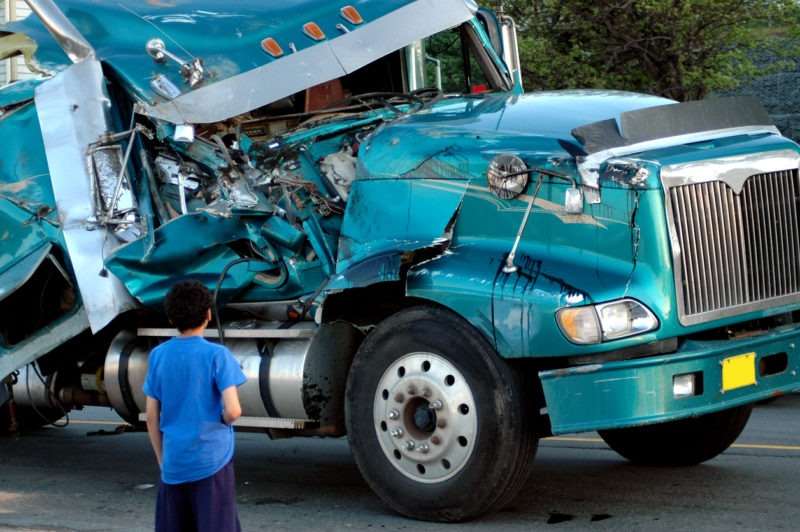
If you’ve been injured in a truck accident on one of Columbia’s major interstates, whether I-26, I-77, or I-20, you know the situation is more complex than a typical fender-bender. The convergence of these three major highways in South Carolina’s capital creates unique, and often dangerous, traffic conditions involving commercial trucks, commuters, and travelers. When a high-speed collision with a large commercial vehicle occurs, the resulting injuries and legal challenges can be overwhelming.
You need a Columbia truck accident lawyer who understands the specific complexities of these local interstate accidents. Knowing how and why these collisions happen is crucial to building your case and securing compensation for your injuries.
Key Takeaways for Columbia Interstate Accidents
- Columbia sits at the convergence of I-26, I-77, and I-20, creating interchange zones where merging traffic and lane changes concentrate collision risks.
- Commercial trucks traveling between Charlotte, Charleston, and Atlanta pass through Columbia daily, mixing with local commuter traffic throughout the day.
- South Carolina follows a “51% bar” comparative fault rule under § 15-38-15, meaning you may only recover compensation if you are less than 51% at fault.
- Construction zones with lane shifts and altered traffic patterns create sudden hazards that surprise drivers who are unfamiliar with recent changes.
- Multi-vehicle crashes on interstates involve complex liability questions because chain reactions make fault determination more difficult.
For a free legal consultation, call (843) 380-8350
How Columbia’s Interstate Layout Creates Risk
Columbia’s position as South Carolina’s capital and largest inland city makes it a natural hub for highway traffic. The three major interstates that meet here carry different types of vehicles toward different destinations, and the points where they connect see significant traffic pressure.
I-26 runs from Charleston through Columbia and continues toward the mountains. I-77 connects Charlotte to Columbia and points south. I-20 crosses the state east to west, linking Augusta to Florence. Where these routes intersect, drivers must navigate interchanges that demand quick decisions at highway speeds, which is a major concern when being injured in a truck accident.
The Malfunction Junction Reality
Locals know the I-20/I-26/I-126 interchange area as “Malfunction Junction” for good reason. The concentration of ramps, lane changes, and merging traffic in this zone creates friction between vehicles traveling at different speeds with different destinations.
Drivers approaching this area from any direction face decisions about lane position and timing that unfamiliar motorists find challenging. The signage helps, but the actual execution requires familiarity with which lane leads where. Hesitation or last-second lane changes create the conditions where collisions occur.
Interchange Stress Points
Each interstate connection around Columbia presents its own challenges. The I-77/I-20 interchange in the northeast sees heavy truck traffic. The I-26/I-20 junction near downtown handles commuters heading to state offices and USC. The I-26/I-126 split directs traffic toward downtown or continuing toward Spartanburg.
These interchange areas share common characteristics that elevate crash risks:
- Multiple lanes merging or diverging within short distances
- Speed differentials between through traffic and entering vehicles
- Commercial trucks that need longer distances to accelerate or slow down
- Limited sight lines around curves and over bridges
- Driver distraction from navigation decisions at critical moments
Crashes that occur in these zones often involve multiple vehicles because the chain reaction effects spread quickly when traffic density is high.
Commercial Truck Traffic Through Columbia
Columbia sits on major trucking corridors that connect ports, distribution centers, and population centers across the Southeast. Commercial vehicles passing through the metro area share the road with local traffic, creating size and speed mismatches that matter when things go wrong.
Why Truck Crashes Differ From Car Collisions
The physics of truck crashes differ fundamentally from collisions between passenger vehicles. A fully loaded tractor-trailer may weigh 80,000 pounds, compared to roughly 4,000 pounds for a typical car. This weight disparity means trucks require much longer stopping distances and transfer tremendous force on impact.
The size difference also affects visibility. Truck drivers sit higher and see traffic differently than car drivers. Blind spots around large trucks, particularly on the right side and directly behind, create zones where smaller vehicles may go unnoticed.
Hours of Service and Driver Fatigue
Federal regulations limit how many hours commercial drivers may operate within specific time windows. These rules exist because fatigued driving impairs reaction time and judgment in ways similar to alcohol impairment. The FMCSA hours of service regulations establish these limits.
Trucks traveling through Columbia may carry drivers approaching the end of their allowed hours. The pressure to reach destinations on schedule sometimes leads to poor decisions about rest and alertness. When fatigue contributes to a crash, the trucking company’s scheduling practices may become relevant to liability.
Click to contact our personal injury lawyers today
Rush Hour Congestion and Collision Patterns
Columbia’s daily rhythm creates predictable congestion windows when crash risks increase. The morning and evening commutes concentrate vehicles on interstate corridors at times when patience runs thin and following distances shrink, highlighting why truck accidents are different.
State government offices, USC, and Fort Jackson all generate significant traffic flow. Legislative sessions bring additional vehicles downtown. The result is predictable slowdowns that create stop-and-go conditions where rear-end collisions become more likely.
Morning Commute Patterns
The hours between 7 and 9 AM bring heavy inbound traffic on I-26 from Lexington and Irmo, on I-77 from the northeast, and on I-20 from both directions. Vehicles funnel toward downtown and the USC campus, converging at interchanges that struggle to handle peak volumes.
Sudden slowdowns catch drivers off guard, particularly those following too closely or checking phones. The transition from highway speed to crawling traffic happens quickly near merge points. Trucks mixed into this traffic need even more distance to stop, raising the stakes when traffic slows unexpectedly.
Evening Rush Challenges
The afternoon commute reverses the pattern, with traffic spreading outward from downtown and the university area. I-26 westbound toward Lexington and I-77 northbound toward Blythewood see the heaviest evening volumes.
Factors that contribute to evening crash patterns include:
- Driver fatigue after full workdays
- Sun glare during certain seasons affecting visibility
- Impatience to reach home after long commutes
- Higher traffic density as multiple events release simultaneously
- Trucks repositioning for overnight driving schedules
These conditions combine to make the 4 to 7 PM window particularly demanding on Columbia’s interstates.
Complete a Free Case Evaluation form now
Construction Zones and Altered Traffic Patterns
South Carolina’s ongoing infrastructure investments mean construction zones appear regularly on Columbia-area interstates. These work zones change familiar traffic patterns without much notice, creating hazards for drivers who expect conditions to match their usual experience.
Lane shifts, reduced speeds, and narrowed lanes all increase collision risks. The South Carolina Department of Transportation posts construction updates, but real-time conditions sometimes differ from planned configurations.
How Work Zones Increase Crash Risks
Construction zones compress traffic into fewer lanes and bring vehicles closer together. The concrete barriers that protect workers also eliminate escape routes when conflicts develop. Drivers who fail to slow down or pay attention to changed conditions create dangers for everyone around them.
Merge points where lanes close concentrate conflict into specific areas. Trucks require more distance to slow down and may struggle to change lanes in tight spaces. The combination of reduced room and higher consequence raises the stakes for any lapse in attention.
Temporary Configurations and Confusion
Night work, weekend closures, and phased construction projects create situations where road configurations change frequently. A driver who passed through an area last week may encounter completely different conditions on the next trip.
Temporary signage helps, but reading and processing new information while driving at highway speeds taxes attention. Confusion about lane assignments or exit access leads to sudden braking and lane changes that catch other drivers off guard.

Weather Impacts on Columbia Interstate Safety
Columbia’s weather patterns create conditions that affect interstate driving safety throughout the year. Heavy rain, fog, and occasional ice events all change how vehicles handle and how far drivers need to see.
The region’s summer thunderstorms drop heavy rain quickly, overwhelming drainage systems and reducing visibility to near zero in intense moments. Drivers who fail to adjust speed for conditions lose control or cannot stop in time when traffic ahead slows, a situation often seen in truck brake failure accidents.
Rain and Hydroplaning Risks
Standing water on interstate surfaces creates hydroplaning risks, particularly in wheel ruts and low spots. Vehicles lose contact with the pavement and become difficult or impossible to steer. Trucks with their greater weight may push through water that sends smaller vehicles sliding.
The first rain after dry periods creates especially slick conditions as oil residue mixes with water. Drivers familiar with Columbia’s afternoon summer storms know to expect changing conditions within minutes.
Fog and Visibility Challenges
Low-lying areas around Columbia experience fog events, particularly during transitional seasons. Morning fog reduces visibility on interstates before burning off later in the day. Drivers who enter fog banks at highway speeds may not have time to react to stopped or slowed traffic ahead.
Chain reaction crashes during fog events involve multiple vehicles because visibility limits how far ahead drivers can see. By the time stopped vehicles become visible, stopping distances may not exist.
Multi-Vehicle Crashes and Liability Complexity
Interstate collisions frequently involve more than two vehicles. Chain reactions spread through traffic as vehicles strike one another in sequence. These crashes create complicated liability questions because multiple drivers may share responsibility in different proportions.
Sorting out what happened requires reconstruction of the event sequence. The driver who caused the initial collision may bear primary responsibility, but others who followed too closely or failed to avoid secondary impacts may share fault.
How Chain Reactions Develop
A sudden stop at highway speeds starts a sequence that spreads backward through traffic. The first vehicle to rear-end the stopped car may be struck from behind by the next vehicle, and so on. Within seconds, a single incident becomes a multi-vehicle pile-up.
Trucks in these sequences create additional problems. Their greater weight means harder impacts, and their longer stopping distances make avoidance more difficult. A truck at the back of a chain reaction may push multiple vehicles forward, compounding injuries and damage in truck accidents.
Evidence That Matters in Complex Crashes
Multi-vehicle crashes require careful documentation to establish fault and support claims. Evidence that may strengthen your claim in these situations includes:
- Police reports documenting each vehicle’s position and damage
- Witness statements describing the crash sequence
- Electronic data from vehicle event recorders
- Traffic camera or dashcam footage showing the event
- Expert reconstruction analysis of impact sequence
Gathering this evidence quickly matters because some sources disappear or become unavailable over time. A Columbia truck accident attorney who is familiar with interstate crashes knows which evidence to pursue and how to preserve it.
FAQ for Columbia Interstate Accidents
Do different rules apply when a commercial truck causes an interstate crash?
Federal regulations govern commercial trucking operations, including driver qualifications, vehicle maintenance, and hours of service. These rules create additional standards beyond ordinary traffic laws. Violations of federal regulations may support liability claims and indicate negligence by the driver or trucking company.
How long do I have to file a claim after an interstate crash in Columbia?
South Carolina allows three years from the accident date to file most personal injury claims. Claims against government entities, such as crashes involving SCDOT vehicles, require written notice within one year. Missing these deadlines typically ends your right to pursue compensation.
What if I was partially at fault for a multi-vehicle crash?
South Carolina’s comparative fault system allows recovery when you are 50% or less at fault, with compensation reduced by your percentage of responsibility. At 51% or more fault, you recover nothing. Multi-vehicle crashes involve complex fault allocations that may assign responsibility across several drivers.
Do trucking companies keep records that help with claims?
Trucking companies must maintain driver logs, vehicle inspection records, and other documentation required by federal regulations. These records may reveal hours of service violations, maintenance failures, or driver qualification problems. Preservation letters sent promptly help prevent the destruction of relevant evidence.
How do construction zone crashes affect liability?
Crashes in construction zones may involve questions about signage adequacy, lane markings, and traffic control measures. If improper work zone setup contributed to a collision, the construction contractor or highway department may share liability. These claims involve additional complexity beyond typical driver negligence cases.
When the Stakes Demand Someone in Your Corner

An interstate crash near Columbia involving a commercial truck may leave you facing serious injuries, complex liability questions, and insurance companies focused on their own interests. The Thumbs Up Guys understand how these corridors work and how to fight for fair compensation when things go wrong.
Our team works on contingency, which means you pay nothing upfront and nothing unless we recover compensation for you. Reach out to us today to talk with someone who knows Columbia’s roads and has your back through the entire process.
Call or text (843) 380-8350 or complete a Free Case Evaluation form